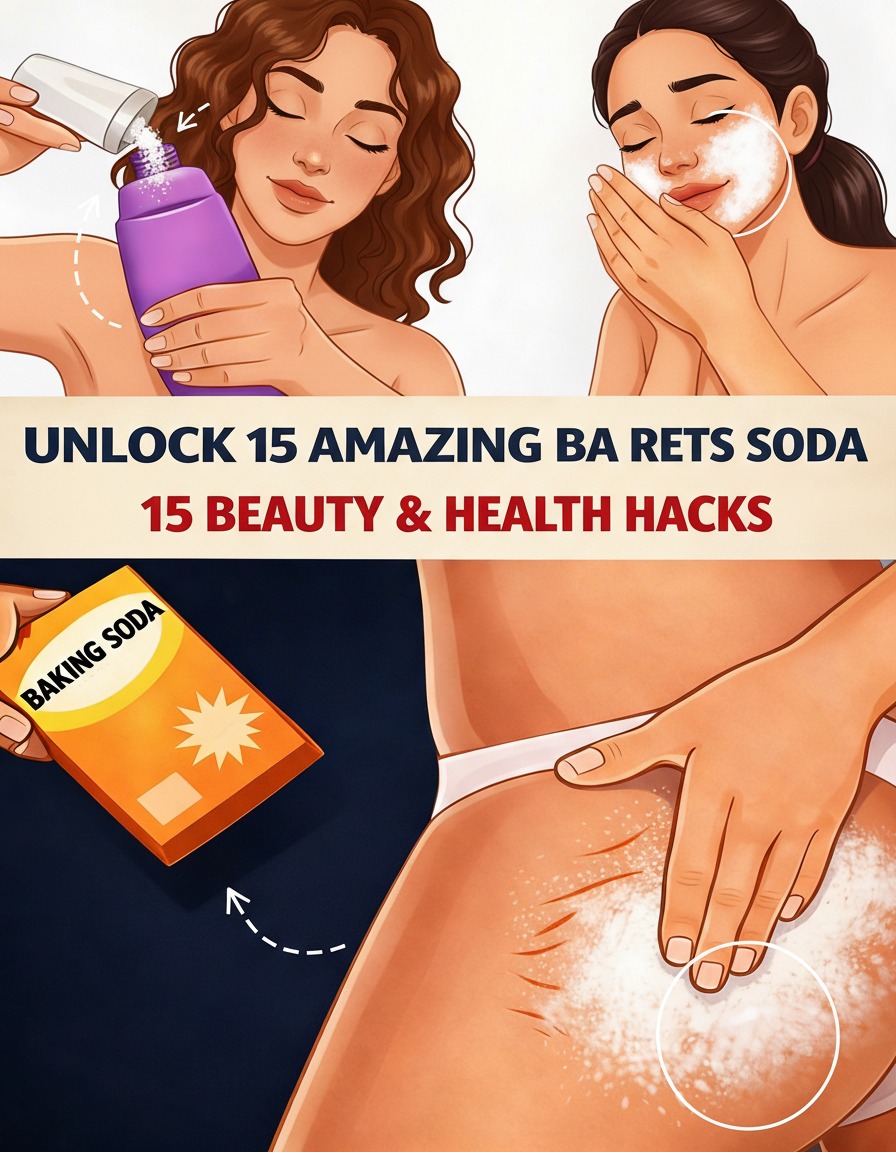
Understanding When Baking Soda Can Help Your Beauty Routine—and When It Might Harm
Baking soda (sodium bicarbonate) is a versatile household ingredient often overlooked beyond its common uses in baking or deodorizing refrigerators. For women seeking affordable, natural beauty and wellness solutions, baking soda offers several promising benefits—from neutralizing body odor to exfoliating skin. However, it’s essential to distinguish between issues caused by surface dirt or buildup and those involving actual skin damage or sensitivity to avoid unintended harm.
For example, persistent body odor is typically caused by bacteria breaking down sweat, which baking soda can neutralize effectively. In contrast, skin roughness or irritation might stem from dryness or underlying conditions that require gentler care or professional treatment. Misusing baking soda on sensitive areas, or using it excessively, can disrupt your skin’s natural acidity (pH around 5.5) because baking soda has an alkaline pH near 9. This imbalance can cause dryness, irritation, or even exacerbate existing skin issues.
Before incorporating baking soda into your routine, it’s important to assess your skin type and the specific concern you want to address. A simple patch test on your inner arm over 24-48 hours can help identify potential sensitivity. If you experience redness, burning, or itching, discontinue use immediately and consult a healthcare professional if necessary.
In terms of cost, baking soda is an economical alternative compared to many commercial beauty products and professional treatments. For example, a standard box costs just a few dollars and can last several months when used sparingly. In contrast, professional skin exfoliation or odor-control treatments can cost upwards of $50 per session, depending on location and provider. However, if skin damage occurs from misuse, treatment for irritation or contact dermatitis could add unplanned medical expenses.
When applying baking soda for odor control, gentle exfoliation, or hair clarifying, it’s critical to tailor the method to the surface or area you’re treating. Baking soda’s mild abrasiveness can effectively remove dead skin cells or product buildup but may damage delicate skin or tooth enamel if overused. For instance, using baking soda as a toothpaste alternative should be limited to once a week to avoid enamel erosion, which can lead to costly dental treatments.
Similarly, on hair, baking soda can remove styling product residue and mineral buildup but should be used no more than once or twice monthly to prevent scalp dryness or damage to hair strands. For skin irritation relief such as insect bites or mild rashes, a baking soda paste can be soothing, but it is not a substitute for medical treatments for more serious conditions.
Understanding these distinctions helps you decide when baking soda is a practical, low-cost addition to your beauty and wellness routine and when you should seek professional care. This approach minimizes risk and maximizes benefits, letting you confidently incorporate these natural hacks.
Here are the 15 essential baking soda hacks every woman should know—one of them stands out as the most effective for lasting freshness and skin health.






