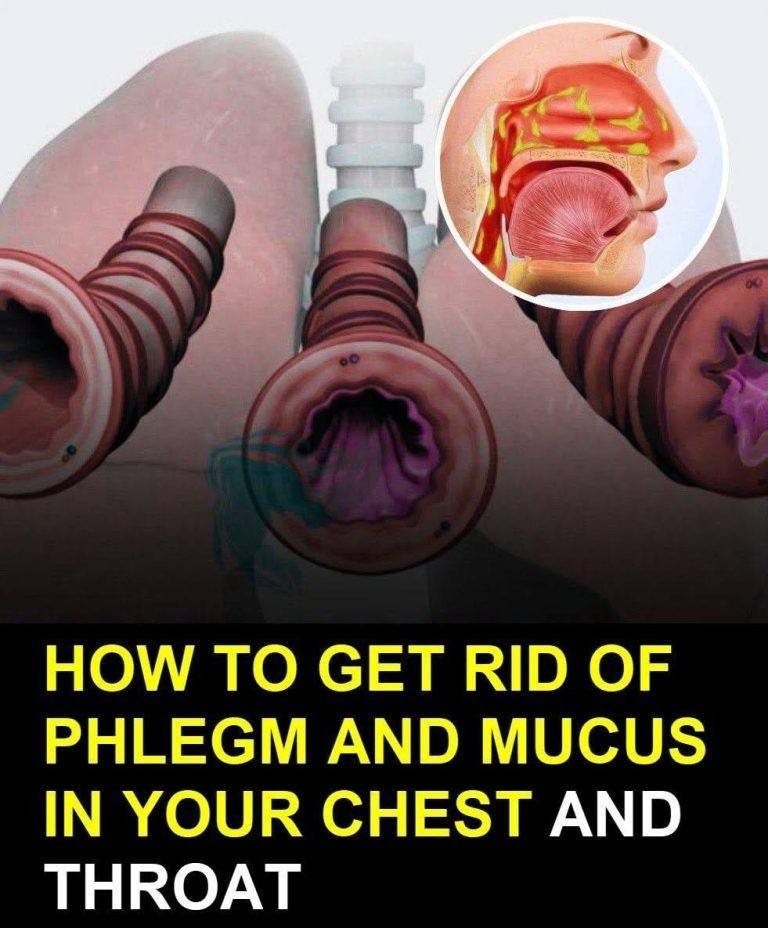
Understanding Excess Phlegm and Mucus in Chest and Throat
Excessive mucus or phlegm in the chest and throat is a common symptom experienced during colds, respiratory infections, allergies, and exposure to irritants like smoke or pollution. Mucus is a natural, protective secretion lining the respiratory tract that traps dust, bacteria, and other particles to keep airways clear and moist. However, when too much mucus accumulates, it can cause discomfort, persistent coughing, throat irritation, and difficulty breathing, especially during physical activity.
This buildup often goes unnoticed until it interferes with daily activities or sleep. While mucus production is a normal immune response, persistent or excessive mucus may indicate underlying conditions such as chronic bronchitis or allergic reactions that sometimes require medical evaluation.
What These Remedies Can and Cannot Do
Natural home remedies can support your body in managing mucus by thinning secretions, soothing irritated tissues, and promoting clearance from the airways. These approaches are generally safe and accessible but are not substitutes for professional medical treatment when mucus is caused by infections, chronic respiratory conditions, or if symptoms worsen.
It is important to understand that no herbal tea, drink, or home remedy can cure infections or clear mucus instantly. Also, some herbal ingredients may interact with medications or cause side effects, so consult your healthcare provider before starting any new remedy, particularly if you have existing health conditions or take prescription drugs.
When to Seek Medical Advice
If mucus production is accompanied by high fever, chest pain, shortness of breath, coughing up blood, or lasts beyond a few weeks, see a doctor promptly. Diagnosing the cause of persistent mucus may involve clinical evaluation, chest X-rays, or sputum tests to rule out bacterial infections, chronic lung diseases, or other serious issues.
In medical practice, the volume and characteristics of mucus can be assessed through sputum analysis, and lung function tests may help determine if airway inflammation or obstruction is present. Treatment decisions depend on these findings and may include antibiotics, inhalers, or allergy management.
Who Should Avoid Certain Remedies
People with allergies to specific herbs, pregnant or breastfeeding women, and individuals on blood thinners or other medications should exercise caution with herbal remedies. For example, some spices or herbal extracts can increase bleeding risk or interact with drugs. Always check with a healthcare professional before use.
While natural remedies can be part of supportive care, they work best alongside good hydration, avoiding irritants, and following medical advice when needed.
Here are the 8 natural ways to help reduce phlegm and mucus, including one simple method that supports your airways better than the rest.






