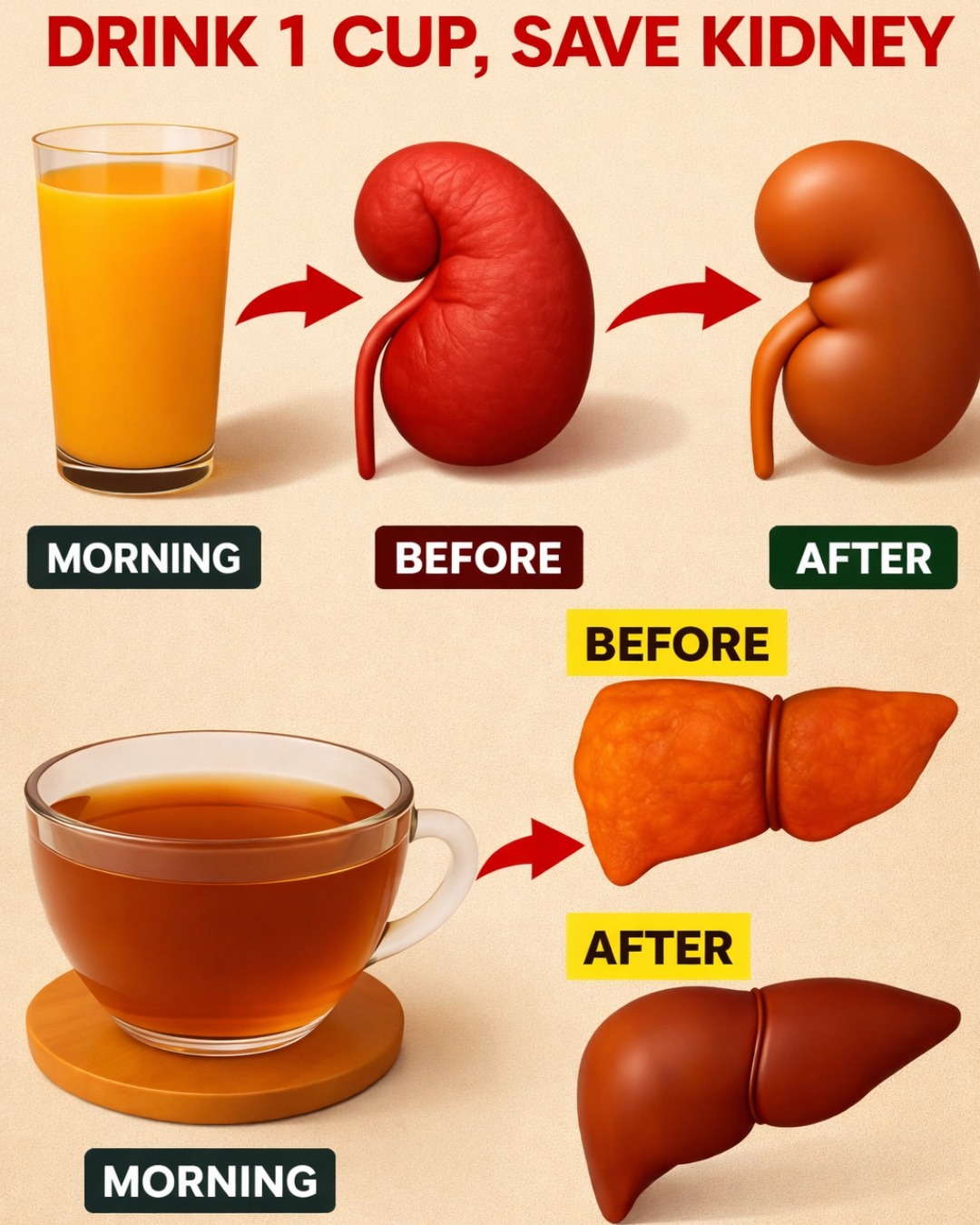
Understanding Elevated Creatinine and Kidney Health
Many adults over 50 experience subtle symptoms like persistent fatigue, ankle swelling, or a general sense of heaviness that may signal elevated creatinine levels. Creatinine is a waste product generated from normal muscle activity and is typically filtered out of the bloodstream by healthy kidneys. When creatinine levels rise beyond normal thresholds, it often indicates that the kidneys are under increased strain and may not be filtering efficiently.
Elevated creatinine itself is not a disease but a marker used by healthcare providers to assess kidney function. The standard blood test measures serum creatinine levels, with typical normal ranges varying slightly but often considered to be approximately 0.6 to 1.2 mg/dL for adults. Persistent elevations warrant further evaluation to determine kidney health status and to rule out underlying conditions such as chronic kidney disease (CKD).
What Elevated Creatinine Means and Why It Often Goes Unnoticed
In early stages, kidney stress may produce few clear symptoms, making elevated creatinine a silent warning sign. Signs like morning fatigue, swelling, or difficulty concentrating can easily be attributed to other causes, delaying diagnosis. Since kidneys have a significant reserve capacity, damage can progress before serious symptoms prompt medical attention.
Managing creatinine levels is a multi-faceted process involving medical evaluation, lifestyle adjustments, and sometimes medications. Staying well-hydrated is a foundational recommendation for supporting kidney function, as adequate fluid intake helps the kidneys flush waste more effectively. However, hydration alone does not reverse kidney impairment or “cleanse” the kidneys in the way some popular remedies suggest.
What Bedtime Drinks Can and Cannot Do
Natural bedtime drinks containing water, antioxidants, and mild diuretics may offer gentle support for kidney health by promoting hydration and potentially reducing oxidative stress. These beverages can complement a balanced diet and healthy lifestyle but should never replace prescribed treatments or professional medical advice.
It is important to note that although certain herbal teas and juices contain compounds linked to antioxidant or anti-inflammatory effects, no drink can cure or prevent kidney disease. Some ingredients may interact with medications or cause side effects, especially in individuals with allergies, kidney stones, or those taking blood thinners.
Consulting a healthcare provider is essential before adding new herbal or natural remedies to your routine, particularly if you have existing kidney conditions or are on medication.
Who Should Avoid Certain Natural Kidney Remedies
People with allergies to ragweed or related plants should be cautious with chamomile or nettle teas. Those prone to kidney stones may need to limit juices high in oxalates, such as cranberry juice. Individuals on blood thinners might be advised to avoid excessive ginger intake due to its blood-thinning properties. Additionally, natural diuretics like dandelion tea can affect fluid balance and electrolytes, so medical supervision is recommended.
Understanding these considerations ensures that natural bedtime drinks support rather than complicate kidney health management.
Here are the 11 bedtime drinks that may gently support creatinine management and kidney wellness, with one surprising choice standing out for its combined benefits.






