Why Lawn Mower Blade Sharpness Matters More Than You Realize
Many homeowners overlook blade sharpness when maintaining their lawn mowers, focusing mainly on oil changes and fuel. However, dull blades cause significant damage to your grass by tearing instead of cleanly cutting it, which leads to brown tips, vulnerability to pests, and increased risk of lawn diseases. This damage reduces the overall health and appearance of your lawn, potentially resulting in costly lawn treatments or reseeding expenses that can reach several hundred dollars depending on the size of your yard.
Determining whether your blades are dull or just dirty is the first step. A simple test is to examine freshly cut grass tips; if they are brown and ragged rather than clean and smooth, your mower blades need sharpening. Running a blade that is too dull can also strain your mower’s engine, increasing fuel consumption and potentially leading to expensive repairs or premature replacement. Repairing or replacing a mower engine can cost anywhere from $150 to over $400, so maintaining sharp blades is a cost-saving measure.
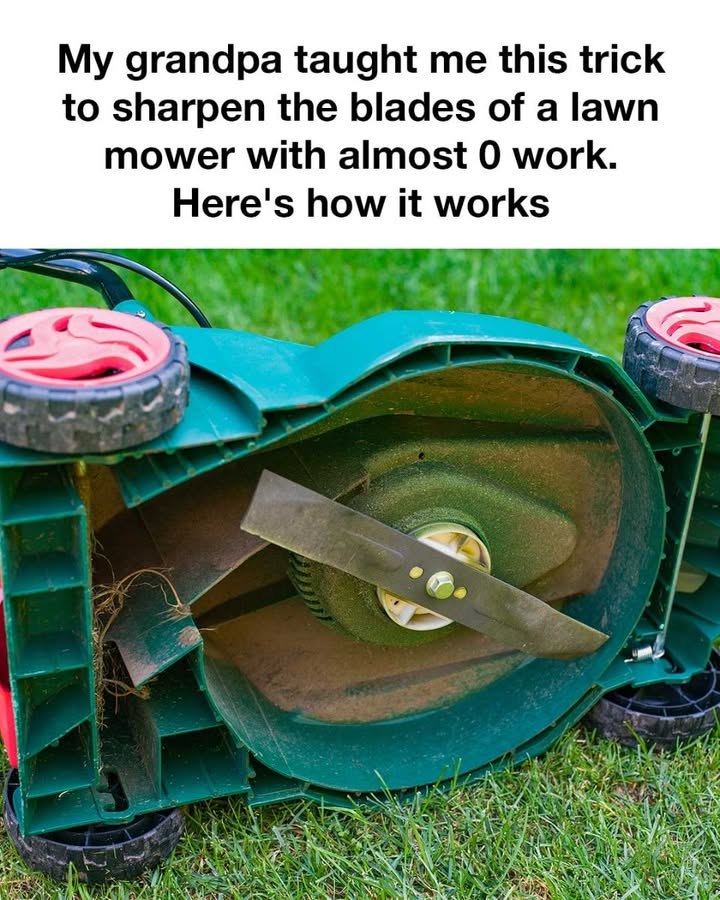
Proper blade maintenance involves safely removing the blade, sharpening it without damaging its balance, and reattaching it securely. Using inappropriate methods or tools risks unbalancing the blade, which causes vibrations that damage mower components and void warranties. For example, using a grinder without balancing afterward can lead to costly repairs. Additionally, certain sharpening methods can damage blade coatings or finishes, accelerating rust formation and blade deterioration.
Sharpening blades also promotes healthier grass growth by creating clean cuts that heal faster and resist disease, unlike torn grass edges. This reduces the need for pesticides and fertilizers, which can be expensive and environmentally harmful. Effective blade maintenance is therefore not just about mower upkeep but also about protecting your yard investment and minimizing ongoing lawn care costs.
Before proceeding, always ensure your mower is completely powered off and disconnected to avoid injury. Wear protective gloves when handling blades, and work on a stable surface to prevent accidents. These safety steps are essential to avoid costly medical bills from cuts or mishandling sharp components.
Here are the ten essential steps to efficient and safe lawn mower blade sharpening, with one critical step that most people miss but makes all the difference.






