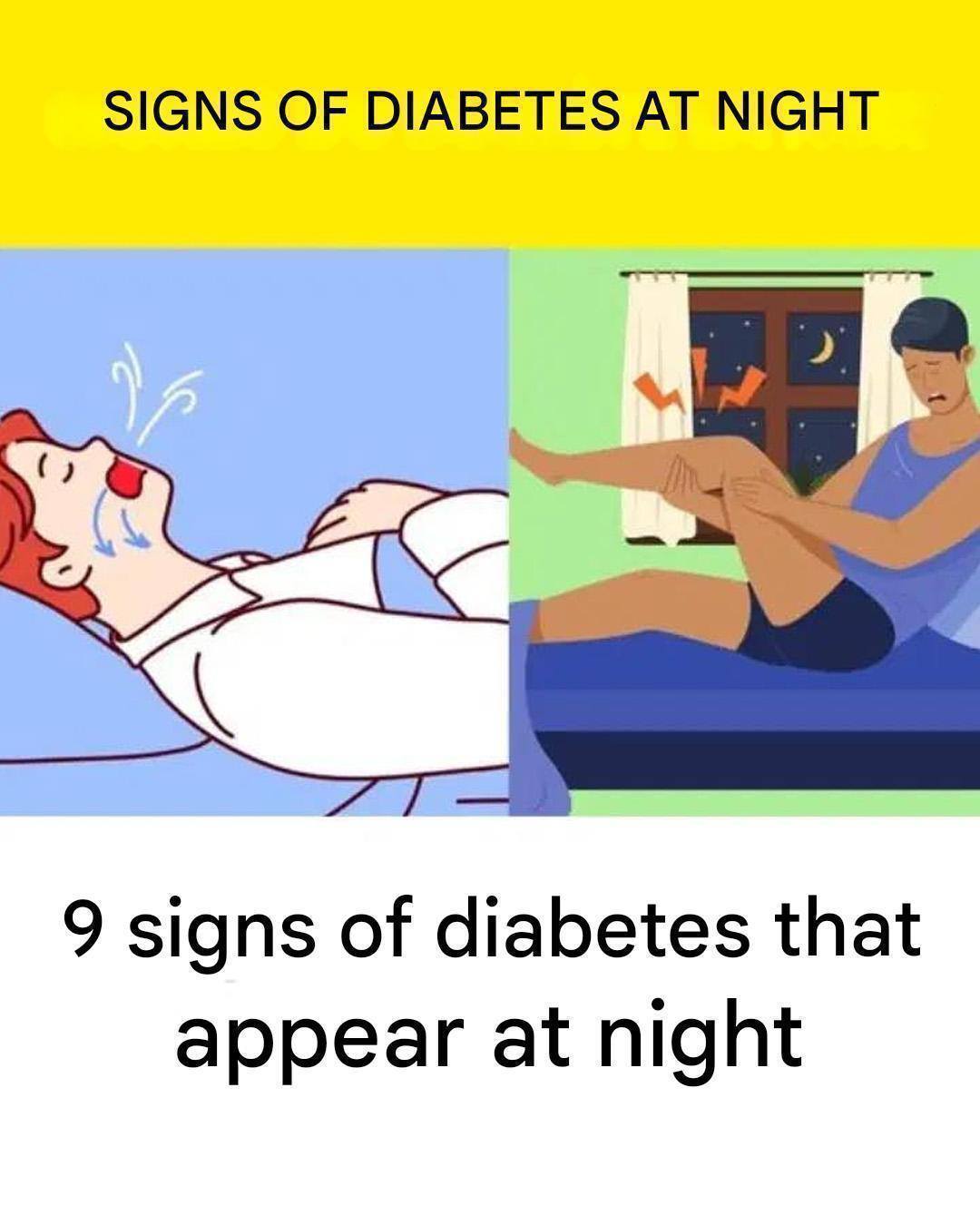
1. Frequent Nighttime Urination
One of the earliest and most common signs of diabetes that appears at night is frequent urination, medically known as nocturia. When blood glucose levels rise above the kidney’s threshold for glucose reabsorption, excess sugar spills into the urine. This causes the kidneys to excrete more water to dilute the glucose, resulting in increased urine volume. Consequently, you may find yourself waking multiple times during the night to urinate.
While occasional nighttime urination can be normal, especially as people age or after consuming fluids late in the evening, a sudden increase in frequency can indicate elevated blood sugar levels. This symptom is often one of the first to prompt medical evaluation for diabetes.
- Monitor how many times you wake to urinate regularly.
- Note any recent changes in this pattern.
- Consider timing fluid intake earlier in the evening to observe changes.
2. Excessive Thirst at Night
Increased urination causes fluid loss that triggers the body’s thirst mechanism. This leads to waking up with a dry mouth or an intense urge to drink water during the night. Persistent excessive thirst, particularly when it disrupts sleep, is a hallmark symptom of high blood sugar.
People with diabetes often keep water by their bedside and may consume more fluids than usual overnight to counterbalance dehydration. Although thirst can be caused by many factors, its presence alongside frequent urination heightens suspicion for diabetes.
3. Night Sweats and Low Blood Sugar
Night sweats can occur for many reasons, but in people managing diabetes with insulin or certain oral medications, they may indicate nocturnal hypoglycemia—blood sugar dropping too low during sleep. Hypoglycemia triggers the release of adrenaline, which can cause sweating, shaking, and restlessness.
Signs that night sweats may be linked to low blood sugar include waking with a headache, nightmares, or a sensation of shakiness. If you are on glucose-lowering therapy and experience these symptoms, discuss adjusting your treatment plan with your healthcare provider to avoid dangerous low blood sugar episodes.






