4. Dizziness or balance loss
Sudden dizziness, vertigo, or loss of balance can be early warning signs of a stroke affecting the brainstem or cerebellum, areas responsible for coordination and equilibrium. This symptom may present as feeling unsteady, difficulty walking, or a sensation that the room is spinning.
Because these signs overlap with other conditions like inner ear problems, recognizing accompanying symptoms like weakness or numbness on one side increases suspicion for stroke. This is especially important if the dizziness occurs suddenly and without an obvious cause.
- Unexplained vertigo or spinning sensation
- Difficulty maintaining balance or walking
- Sudden falls or stumbling
Immediate evaluation is warranted if dizziness is accompanied by other stroke signs, as early diagnosis can prevent permanent damage.
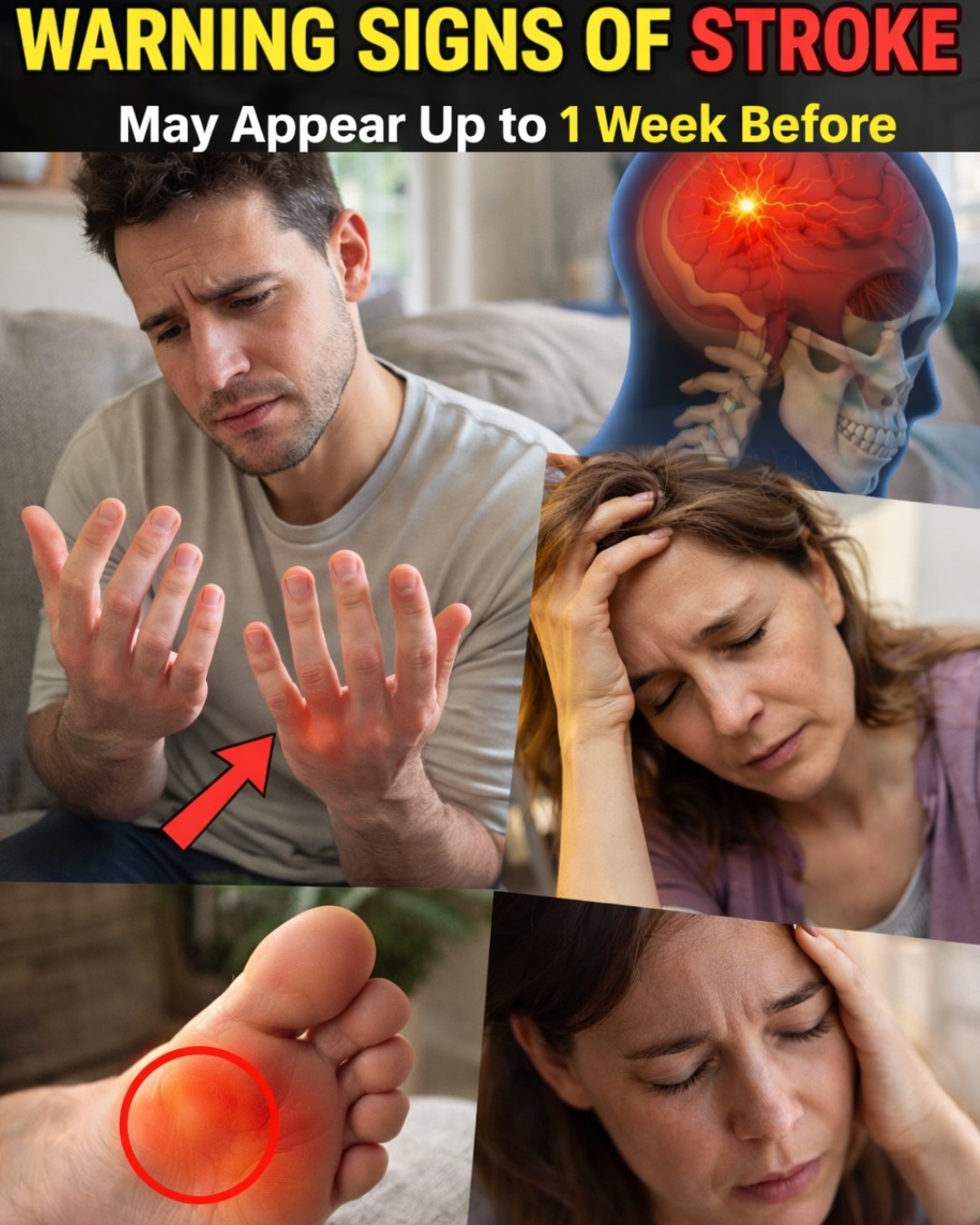
5. Severe headache
A sudden, severe headache described as the worst headache ever experienced can be a sign of a hemorrhagic stroke, where bleeding occurs within the brain. Unlike typical headaches, this pain comes on abruptly and may be accompanied by nausea, vomiting, or altered consciousness.
This symptom differs from the more common ischemic strokes but is equally urgent. Recognizing it can prompt rapid imaging studies such as a CT scan to identify bleeding and guide emergency treatment.
- Sudden onset of intense headache with no known cause
- Headache accompanied by vomiting or neck stiffness
- Loss of alertness or confusion with headache
Anyone experiencing a sudden severe headache should seek emergency care immediately.
6. Transient ischemic attacks (TIAs)
TIAs are brief episodes of stroke-like symptoms that resolve within minutes to hours without permanent damage. They are often described as “mini-strokes” and are critical warning signs indicating a high risk of a full stroke soon after.
TIAs may present as any combination of the symptoms discussed—numbness, weakness, speech difficulty, vision changes, or dizziness—but resolve quickly, which can lead to them being ignored. However, they represent temporary blockages in blood flow that require urgent medical evaluation.
Studies show that up to 20% of individuals who experience a TIA will have a major stroke within months if untreated. Therefore, recognizing and reporting these events to a healthcare professional is vital for stroke prevention.
- Sudden onset of neurological symptoms lasting less than 24 hours
- Symptoms may disappear completely without intervention
- Often recur over days or weeks before a major stroke
After a TIA, diagnostic tests such as a carotid ultrasound, MRI, or echocardiogram can identify underlying causes like arterial narrowing or cardiac sources of emboli, guiding treatment plans.






