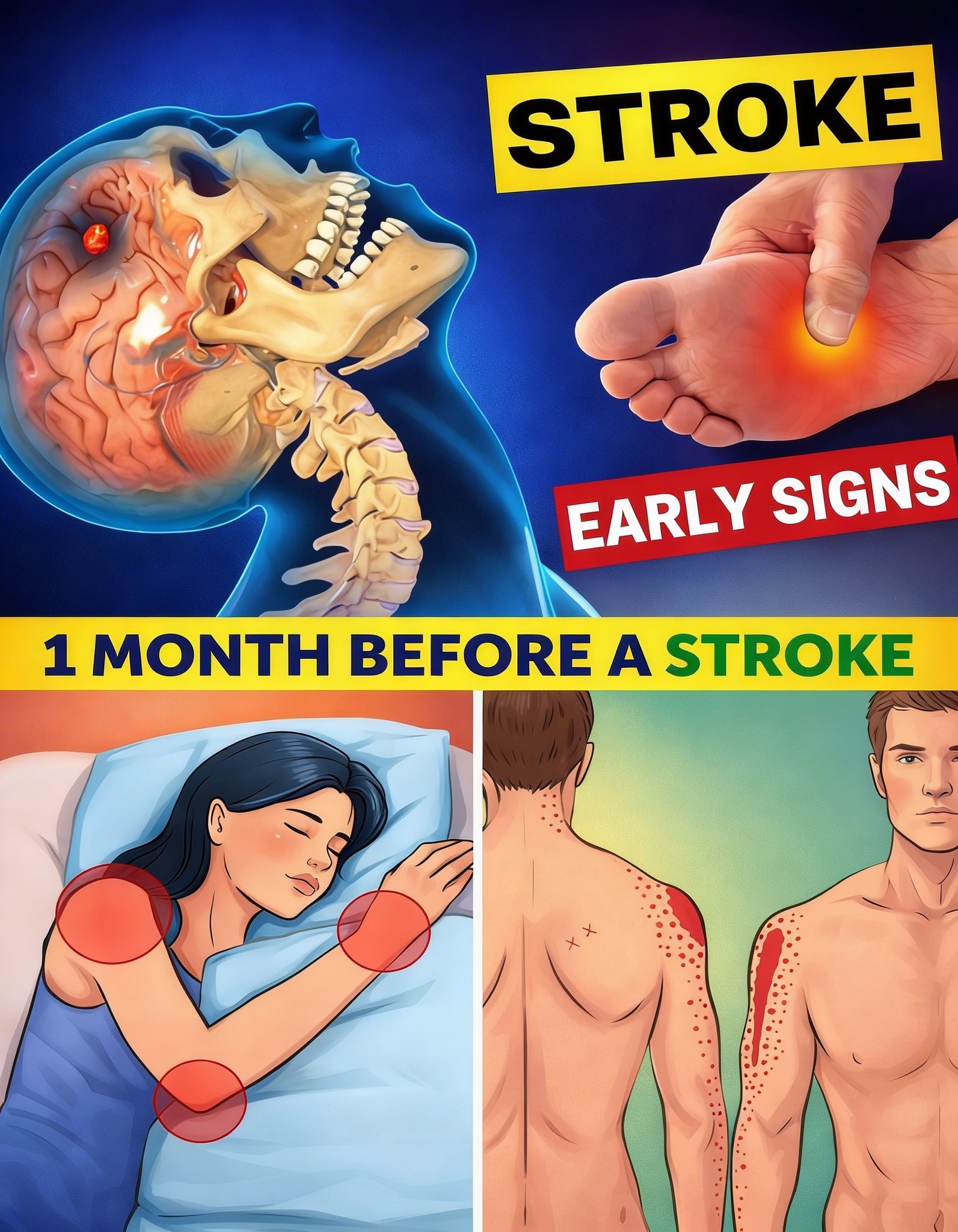
1. Sudden Numbness or Weakness on One Side
One of the most critical early signs of a stroke is sudden numbness or weakness affecting one side of the body, including the face, arm, or leg. This symptom results from an interruption of blood flow to the brain areas controlling movement and sensation on the opposite side of the body. It often appears abruptly and may resolve within minutes to hours, but it should never be ignored.
In practice, you might notice difficulty lifting an arm or leg, a drooping face, or loss of sensation on one side. This one-sided presentation distinguishes stroke from other conditions and signals a vascular problem that requires urgent evaluation.
- Check for asymmetry: Is one side noticeably weaker or numb compared to the other?
- Observe if the symptom resolves quickly or persists.
- Keep a log of episodes to share with your healthcare provider.
If you experience this sign even briefly, it is essential to seek medical attention promptly to assess stroke risk and prevent progression.
2. Trouble Speaking or Understanding Speech
Difficulty with speech is another hallmark sign that may manifest days or weeks before a stroke. This includes slurred speech, trouble finding words, or difficulty understanding what others say. These symptoms occur when stroke-related blood flow disruption affects the brain’s language centers, typically in the left hemisphere.
Such transient episodes, sometimes called transient ischemic attacks (TIAs), are brief but significant warnings. They can be mistaken for fatigue or stress but should raise immediate concern.
- Notice if you suddenly struggle to articulate sentences or pronounce words.
- Pay attention if you have trouble comprehending conversations.
- Inform family or friends so they can help monitor changes.
Early identification of speech difficulties allows for timely medical evaluation, which may include neurological exams and brain imaging to assess stroke risk.






