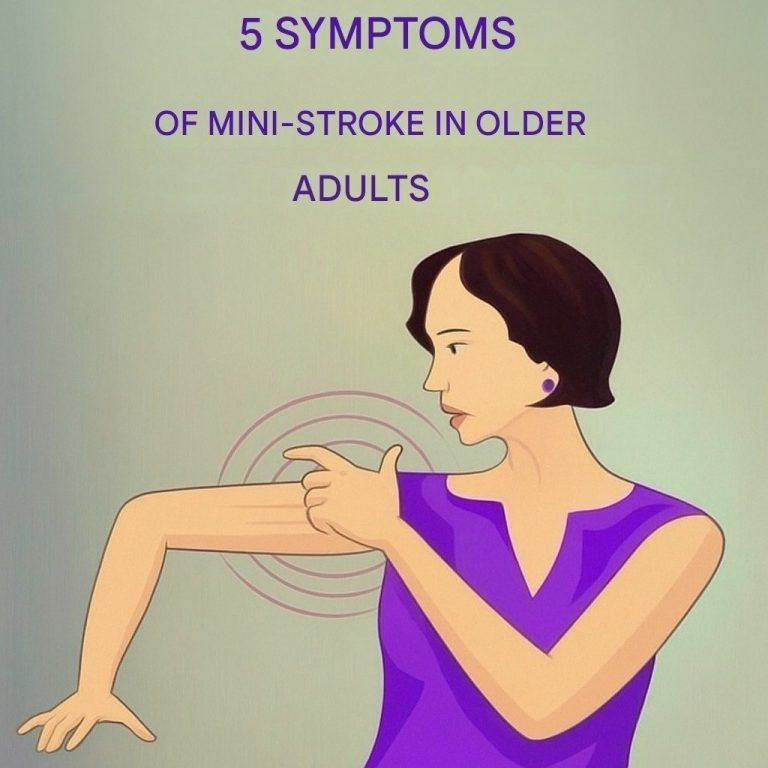
1. Sudden Loss of Strength or Sensation
A sudden and unexplained loss of strength or sensation, especially on one side of the body, is a hallmark symptom of a transient ischemic attack (TIA), commonly known as a mini-stroke. This might present as weakness or numbness in the arm, leg, or face, often noticeable when the person tries to raise a limb or smile. The weakness is usually temporary but signals compromised blood flow to the brain.
This symptom indicates that part of the brain is not receiving adequate oxygen and nutrients due to a temporary blockage or narrowing of blood vessels. Even though the symptoms may resolve within minutes to hours, this is a medical emergency that requires immediate evaluation because it can precede a full ischemic stroke.
- Weakness or paralysis on one side of the body
- Loss of sensation or numbness in limbs or face
- Difficulty moving affected limbs
Family members and caregivers should be vigilant for these signs and seek emergency care without delay. Early intervention can prevent permanent brain injury and reduce the risk of a major stroke.
2. Difficulty Speaking or Understanding
Speech difficulties during a mini-stroke often manifest as slurred speech, trouble finding the right words, or an inability to understand spoken language. This occurs because the areas of the brain responsible for language processing and production are temporarily impaired by reduced blood flow.
Such symptoms might include:
- Slurred or garbled speech (dysarthria)
- Inability to speak despite trying (aphasia)
- Difficulty comprehending what others say
These language problems are critical warning signs of a transient ischemic attack. Even if the symptoms resolve quickly, they demand urgent medical assessment. A healthcare provider may perform a detailed neurological exam and imaging studies such as an MRI or CT scan to assess for brain ischemia and guide treatment.
3. Vision Disturbances
Sudden visual changes can be an overlooked but important symptom of a mini-stroke. These disturbances arise when blood flow to parts of the brain that process visual information is disrupted. Older adults may experience:
- Blurred or dim vision in one or both eyes
- Partial or complete loss of vision in one eye (amaurosis fugax)
- Double vision or difficulty focusing
Such transient vision problems are a sign of vascular insufficiency affecting the brain or the eye itself. Prompt evaluation by a healthcare professional is essential. An eye exam combined with neurological assessments can help determine the cause and prevent progression to a full stroke.






