4. Sudden vision changes
Sudden vision changes can signal a mini stroke affecting the parts of the brain responsible for processing sight. These may include blurred vision, double vision, partial or complete loss of vision in one eye, or difficulty seeing normally.
Because vision problems may resolve quickly, they are sometimes mistaken for eye strain or fatigue. However, any unexplained sudden change in vision, even if temporary, warrants urgent medical assessment to rule out a TIA or stroke.
5. Dizziness and balance problems
TIAs can disrupt the brain areas that control balance and coordination. This may cause sudden, severe dizziness, vertigo, difficulty walking in a straight line, unsteadiness, or an increased risk of falling.
While dizziness alone is common and often benign, it becomes concerning when it occurs suddenly alongside other symptoms such as weakness, speech difficulties, or vision changes.
When to See a Doctor
If any of these symptoms appear, even if they resolve within minutes or hours, seek emergency medical care immediately. A transient ischemic attack is a medical emergency that can precede a full stroke, which requires urgent treatment.
Medical evaluation typically includes brain imaging such as MRI or CT scans, blood vessel imaging, heart rhythm monitoring (to detect atrial fibrillation), blood tests, and blood pressure assessment. Early diagnosis can guide treatment to reduce stroke risk.
Conclusion
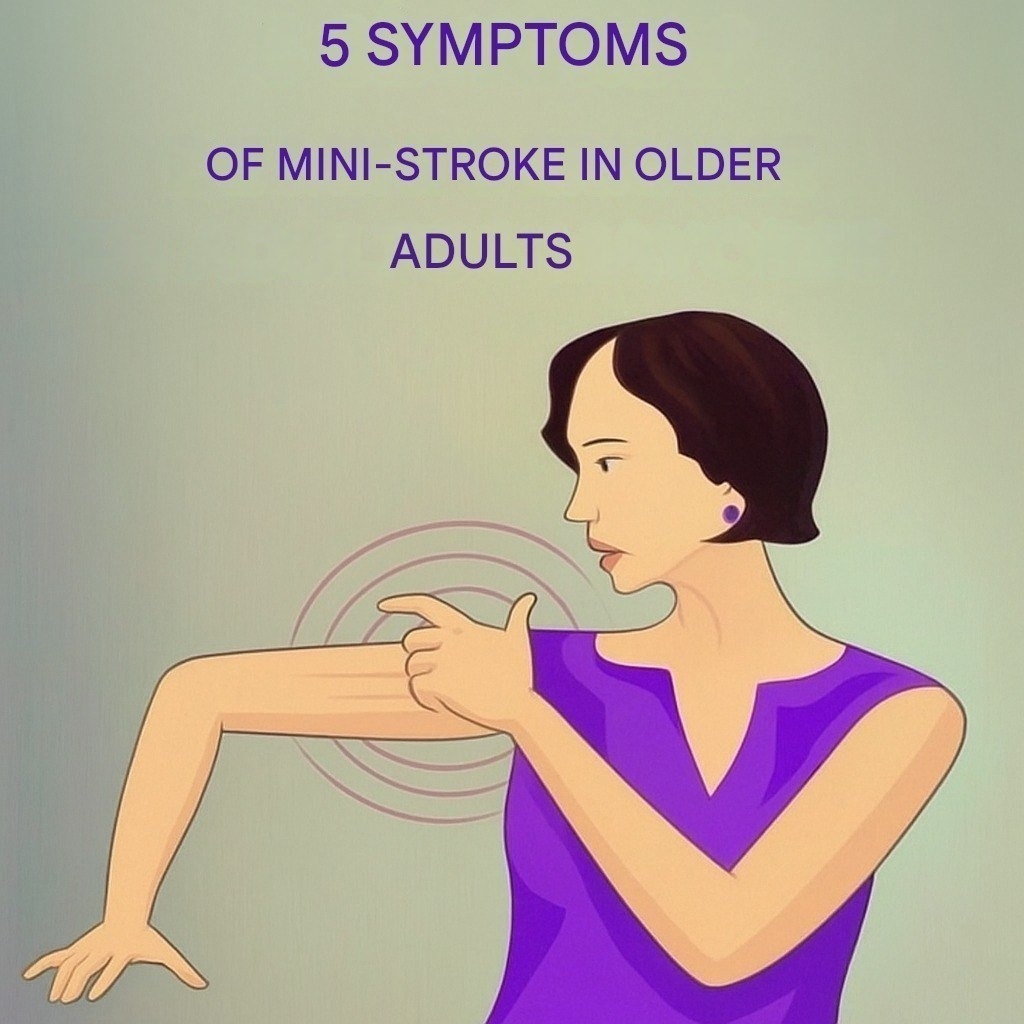
Recognizing the five key symptoms of a mini stroke in seniors—sudden one-sided weakness or numbness, facial drooping, speech or comprehension problems, sudden vision changes, and dizziness or balance issues—is vital for prompt action. TIAs are a warning sign of potential future strokes and should never be ignored, even if symptoms quickly disappear.
Remember the B.E. F.A.S.T. acronym to identify these signs and call emergency services without delay. Early intervention saves lives and reduces the risk of permanent disability.
Disclaimer: This article is for informational purposes only and does not substitute professional medical advice. If you or someone else experiences symptoms suggestive of a stroke or TIA, seek emergency medical care immediately.






