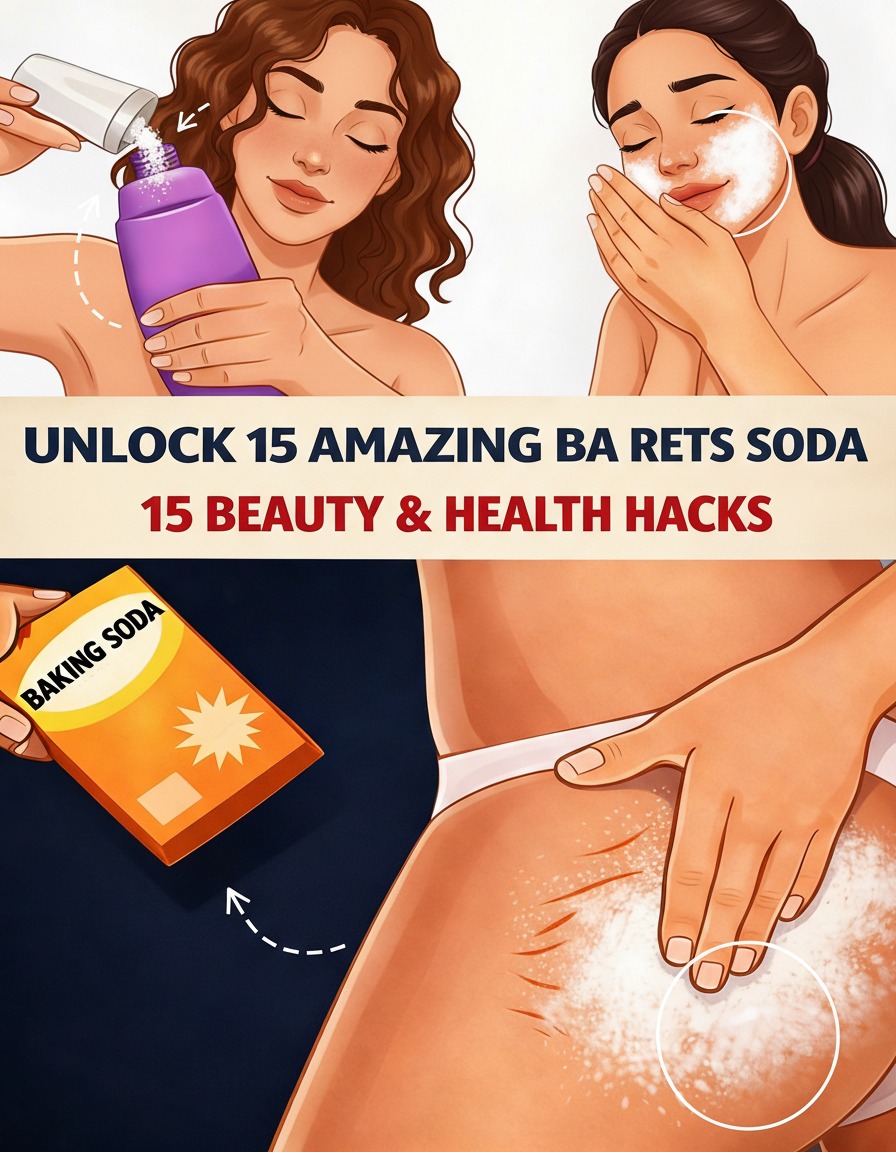
9. Relaxing and Detoxifying Bath Soak
Adding baking soda to your bath can neutralize skin acidity, soothe irritation, and promote relaxation, leaving your skin feeling soft and refreshed.
Add 1/2 to 1 cup of baking soda to a warm bath. Swirl to dissolve completely before soaking for 20 to 30 minutes. This bath can help balance skin pH and ease discomfort from minor irritations.
- Limit bath time to avoid skin dryness.
- Moisturize immediately after bathing.
Not suitable for: Avoid baking soda baths if you have open wounds or severe skin conditions without professional advice.
10. Mild Acne Spot Treatment
Baking soda’s drying properties help absorb excess oil and reduce redness in occasional pimples, making it a useful spot treatment.
Mix a tiny pinch of baking soda with just enough water to form a paste. Dab carefully onto the blemish and leave on for no more than 5 to 10 minutes before rinsing thoroughly. Use sparingly to prevent over-drying or irritation.
- Do not apply on large areas or active cystic acne.
- Monitor skin response closely.
Not suitable for: Avoid use on sensitive or broken skin and do not substitute for prescribed acne treatments without consulting a dermatologist.
11. Post-Shave Soother for Smooth Skin
Razor burn and irritation can be relieved by baking soda’s anti-inflammatory effects, helping to calm skin and prevent ingrown hairs.
Mix 1 tablespoon of baking soda with 1 cup of water. After shaving, dab the solution onto the freshly shaved area with a cotton ball. Leave on for a few minutes, then rinse thoroughly.
- Use only on intact skin to avoid stinging.
- Discontinue if irritation worsens.
Not suitable for: Avoid applying to cuts, abrasions, or sensitive facial skin without dilution.
12. Hand Softener and Grease Remover
Baking soda effectively removes grease, dirt, and tough stains from hands while softening the skin.
Mix three parts baking soda with one part liquid hand soap to form a paste. Rub thoroughly on hands, focusing on stained or rough areas, then rinse well for clean, soft skin.
- Do not use on cracked or irritated skin to prevent discomfort.
- Follow with moisturizer if needed.
Not suitable for: Avoid use on open wounds or eczema-affected hands without consultation.
13. Natural Makeup Brush Cleaner
Regular cleaning of makeup brushes prevents breakouts and ensures flawless makeup application. Baking soda breaks down makeup residue and sanitizes brushes naturally.
Dissolve 1 to 2 teaspoons of baking soda in a cup of warm water. Swirl brushes in the solution, then rinse under running water until clean. Lay flat to air dry completely before next use.
- Avoid soaking brushes for extended periods to prevent damage.
- Use gentle brushing motions to maintain bristle integrity.
Not suitable for: Avoid using on delicate or natural hair brushes without testing first.
14. Under-Eye Puffiness Reducer (Very Dilute)
A very dilute baking soda solution can reduce mild under-eye puffiness by gently stimulating circulation and reducing swelling.
Mix 1/2 teaspoon of baking soda into a cup of warm water until fully dissolved. Soak cotton pads, wring out excess liquid, and place over closed eyes for 10 to 15 minutes. Take care to avoid contact with eyes, and discontinue use if irritation occurs.
- Do not use undiluted baking soda anywhere near eyes.
- Use only occasionally to avoid skin dryness.
Not suitable for: Avoid use if you have sensitive eyes or skin conditions around the eyes without professional guidance.
15. Sunburn Relief
Mild sunburn discomfort can be alleviated with baking soda’s soothing properties, which reduce stinging and itching.
Add 1/2 cup of baking soda to a cool bath and soak for 15 to 20 minutes. Alternatively, make a paste with baking soda and water, apply gently to sunburned areas, allow it to dry, then rinse off.
- Do not use on severe or blistering burns; seek medical care.
- Moisturize skin after treatment.
What to Avoid
- Avoid mixing baking soda with acidic ingredients like vinegar directly on skin as this can cause irritation.
- Do not use baking soda excessively or on sensitive, broken, or inflamed skin to prevent dryness and irritation.
- Avoid combining multiple baking soda treatments simultaneously on the same skin area.
- Never apply baking soda powder directly near eyes or mucous membranes without dilution.
Handling It Safely
- Always perform a patch test before widespread use to check for skin sensitivity.
- Wear gloves when preparing scrubs or hand treatments if you have sensitive skin.
- Use in well-ventilated areas and keep baking soda away from eyes and inhalation.
- Store baking soda out of reach of children and pets to prevent accidental ingestion.
When Professional Help Is Advisable
If skin irritation, redness, or rash develops and persists after baking soda use, discontinue immediately and consult a dermatologist. For chronic skin conditions like eczema, psoriasis, or severe acne, professional treatments typically ranging from topical prescriptions to in-office procedures costing from $100 to several hundred dollars may be necessary. Similarly, persistent foot odor or fungal infections warrant podiatrist evaluation and potentially prescription antifungal treatments.
Conclusion
Baking soda offers a versatile, cost-effective addition to natural beauty and wellness routines, addressing a variety of common concerns from odor control to gentle exfoliation. Its alkaline nature underpins both its benefits and the need for cautious use to avoid disrupting skin’s natural balance. By applying these tips thoughtfully and sparingly, you can enjoy many advantages without resorting to harsh chemicals or expensive products.






