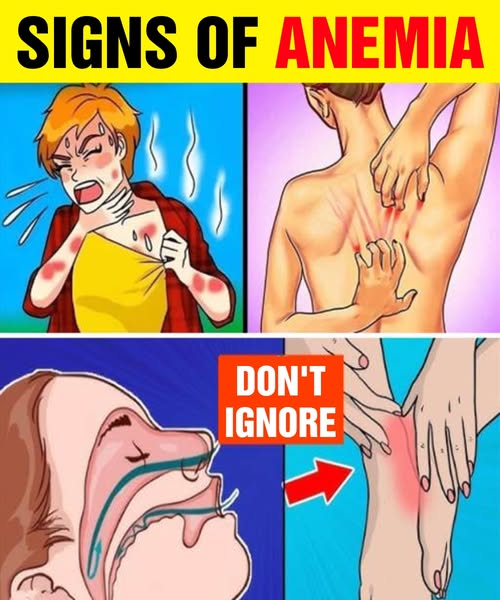
1. Constant Fatigue
Persistent fatigue is often the earliest indicator of anemia, reflecting the body’s struggle to supply enough oxygen to tissues. Unlike ordinary tiredness, this fatigue does not improve significantly with rest or sleep. You might find daily activities more draining and notice a decline in your overall energy levels.
The underlying mechanism involves a reduced number of red blood cells or lower hemoglobin levels, which limits oxygen delivery. Without sufficient oxygen, muscle function and organ performance diminish, leading to that overwhelming sense of exhaustion.
If you experience constant fatigue alongside other symptoms, it is important to consult a healthcare provider. Blood tests such as a complete blood count (CBC) can determine if anemia is the cause, guiding appropriate treatment.
2. Pale or Yellowish Skin
Anemia often manifests through changes in skin color. Pale skin, especially noticeable on the face, lips, and inner eyelids, points to a decreased red blood cell count. In some types of anemia, such as hemolytic anemia, the breakdown of red blood cells can cause a slight yellow tint (jaundice) due to elevated bilirubin levels.
These changes are subtle but significant. A visual check of your skin and mucous membranes can offer clues, but laboratory confirmation is essential to identify the type and severity of anemia.
3. Shortness of Breath
When anemia limits oxygen transport, your body compensates by increasing respiratory rate, causing breathlessness during activities that were previously easy. Climbing stairs, walking short distances, or light exertion may suddenly leave you gasping for air.
This symptom arises because the heart and lungs are working harder to meet oxygen demands. If you notice unexplained shortness of breath, especially if combined with fatigue or palpitations, seek medical evaluation promptly.






