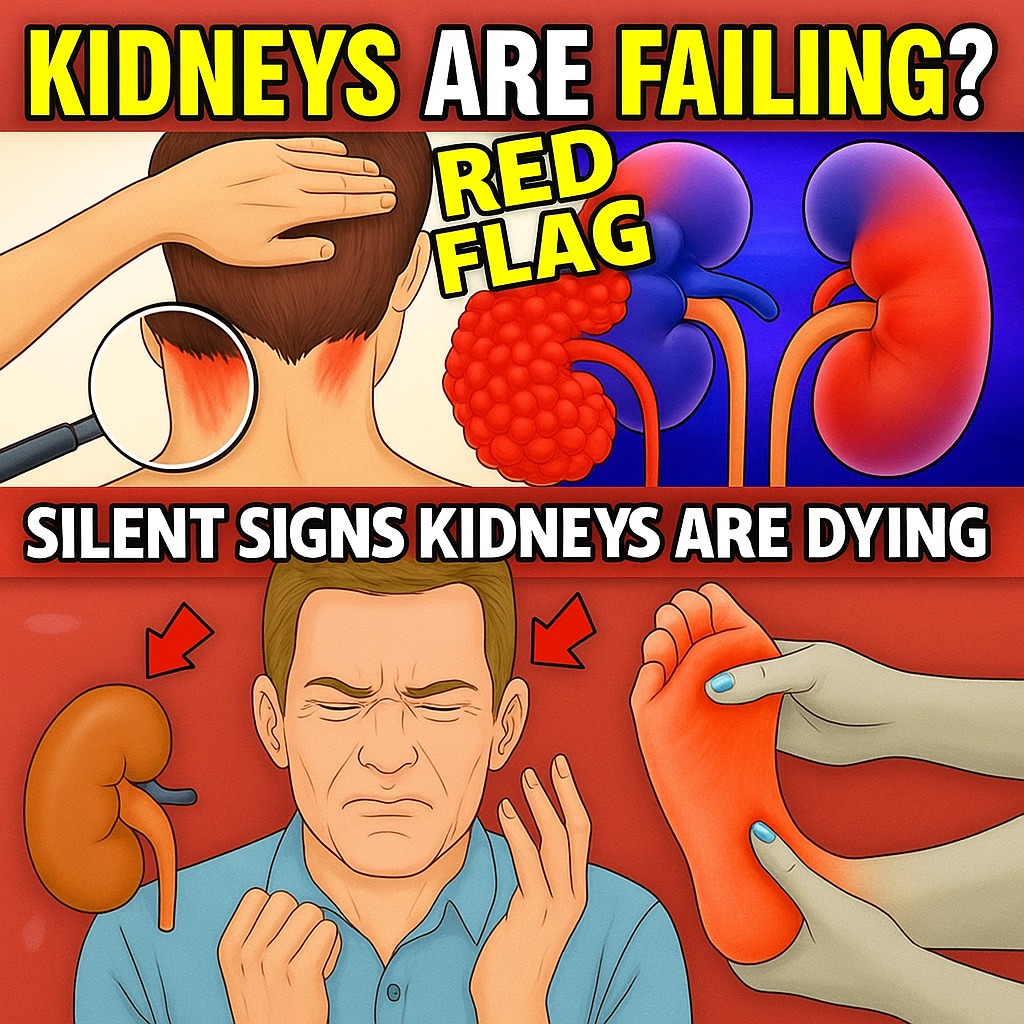
6. Muscle Cramps
Muscle cramps in chronic kidney disease often stem from imbalances in electrolytes such as potassium, calcium, and magnesium, which the kidneys normally regulate. These cramps may occur suddenly during activity or rest and can be severe enough to disrupt sleep.
Unlike cramps caused by dehydration or overuse, those linked to kidney issues tend to be recurrent and resistant to common remedies. Blood tests assessing electrolyte levels and kidney function can confirm the cause. Treatment may include dietary modifications and electrolyte supplements under medical supervision.
7. Hard-to-Control High Blood Pressure
High blood pressure is both a cause and consequence of kidney disease. Damaged kidneys fail to regulate blood volume and hormone signals that control blood pressure, leading to persistent hypertension that can be difficult to manage with standard medications alone.
Uncontrolled hypertension accelerates kidney damage, creating a dangerous cycle. If you experience rising blood pressure despite adherence to prescribed medications, it’s critical to undergo kidney function testing. Treatments like ACE inhibitors or ARBs specifically target kidney-related hypertension and may help preserve kidney function.
8. Cognitive Fog or Trouble Concentrating
Accumulation of metabolic waste products such as urea can affect brain function, causing cognitive difficulties including memory lapses, poor concentration, and mental fatigue. This “brain fog” is often subtle and mistaken for stress or aging.
If cognitive issues develop alongside other kidney symptoms, they warrant comprehensive evaluation. Addressing kidney dysfunction early can improve cognitive symptoms and prevent further decline.






